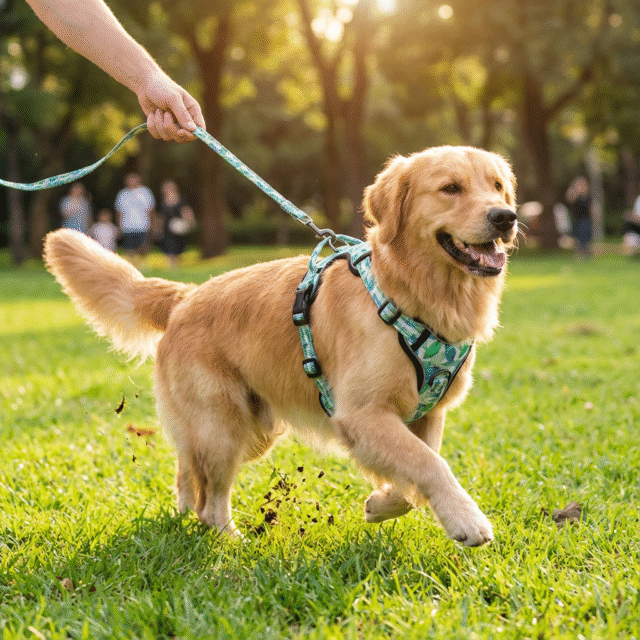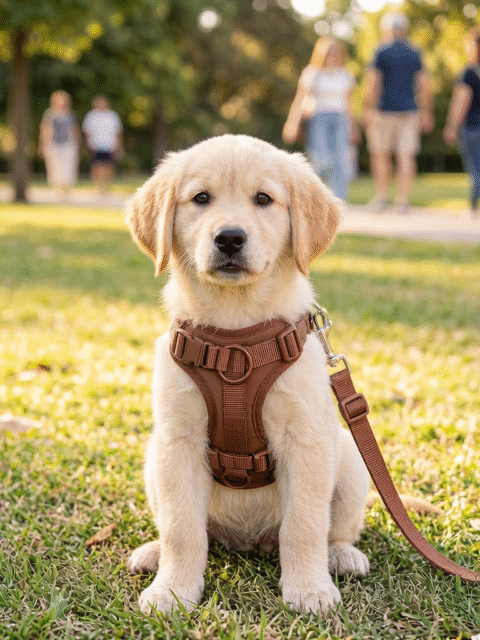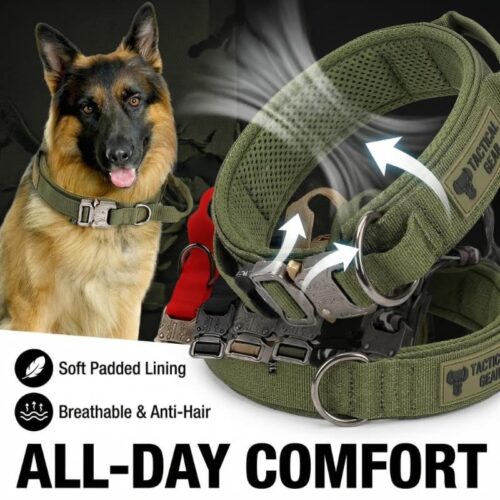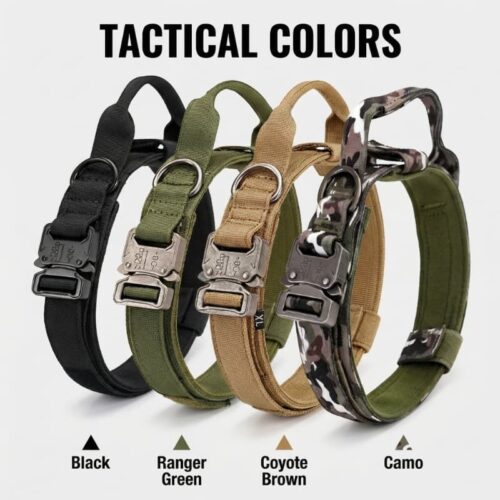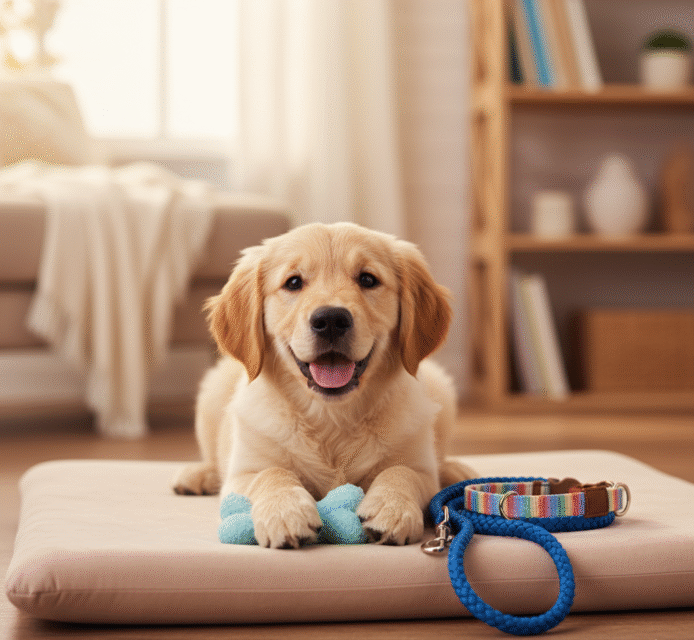

Choosing the best dog leash and a high-quality no-pull harness can fundamentally change your daily walking routine. Beyond just accessories, the right gear provides superior safety and better control, allowing for a stress-free experience. When you use reliable, professional-grade equipment, you gain confidence, and your dog feels secure, leading to a stronger bond and more enjoyable outings.
Expert Tip: Investing in ergonomic and durable equipment is the most effective way to prevent leash-related accidents and ensure long-term physical health for both you and your pet.
Key Takeaways for Safer Walks
- Enhanced Control: A front-clip no-pull harness redirects your dog’s momentum, making it easier to manage large or energetic breeds.
- Injury Prevention: Unlike traditional collars, a harness protects the delicate neck and throat area by distributing pressure across the chest.
- Security: High-quality fastenings and adjustable straps prevent “escape artists” from slipping out in crowded or high-traffic areas.
- Visibility: Modern gear often features reflective stitching, essential for early morning or late-night safety.
Why Safety and Control Matter
Preventing Accidents and Injuries
Every walk carries risks—sudden lunges toward squirrels, distractions from traffic, or accidental trips. Without the best dog leash and harness, a sudden jerk can lead to:
- Owner Injuries: Falls, twisted wrists, or even serious head injuries from being pulled off balance.
- Dog Anxiety: Mixed signals and physical discomfort caused by poor equipment can make a dog reactive or fearful.
- Traffic Risks: Loss of control near busy roads is a leading cause of pet-related accidents.
A front-attaching no-pull harness is specifically designed to lower the impact of sudden lunges. By shifting the point of leverage to the chest, it guides the dog back toward you without causing pain.
Reducing the “Pulling” Behavior
Persistent pulling isn’t just annoying; it’s a health risk. Studies show that dogs pull more when they feel pressure against their throat (the “opposition reflex”). A no-pull harness eliminates this by spreading pressure over the chest and shoulders.
| Feature | Benefits for Owner & Dog |
| Padded Handles | Protects hands from “rope burn” and gives a firmer grip. |
| Front-Clip Design | Discourages pulling by redirecting the dog’s body toward the owner. |
| Bungee/Shock Absorbers | Reduces the force on the owner’s shoulder and the dog’s spine. |
| Double-Handle Leash | Provides a short “traffic handle” for maximum control in crowds. |
Benefits of Professional Grade Gear
Enhanced Comfort and Security
Today’s top-tier gear, such as the Soft and Breathable No-Pull Dog Harness, utilizes advanced materials like 3D air mesh. This ensures your dog stays cool during summer hikes while the ergonomic shape prevents chafing.
Better Training Support
Training a puppy or a reactive adult dog requires consistent feedback. A no-pull harness is a vital training tool that:
- Improves Communication: Allows for subtle cues through the leash.
- Prevents Escapes: Secure multi-point buckles ensure your dog stays attached, even if they try to back out.
- Positive Reinforcement: Because the harness doesn’t cause pain, it helps keep the dog in a calm state of mind for learning.
Key Features to Look For
1. Durable and Weather-Resistant Materials
- Nylon: Lightweight, affordable, and easy to clean.
- Polyester/Mesh: Ideal for breathability and comfort in hot climates.
- Reflective Strips: A non-negotiable feature for anyone walking in low-light conditions.
2. Secure Fastenings
Look for quick-release buckles made of high-impact plastic or metal. Ensure the D-rings are reinforced and rust-resistant to withstand heavy-duty use.
3. Adjustable Fit
A harness is only safe if it fits correctly. The best designs offer 4 to 5 adjustment points to accommodate various body shapes. You should be able to fit two fingers between the strap and your dog’s skin for the perfect balance of security and comfort.
Choosing the Right Gear for Your Dog
| Dog Size/Type | Recommended Leash | Harness Type |
| Small Breeds | Lightweight, 6ft Nylon | Soft Mesh Step-in Harness |
| Large/Strong Breeds | Heavy-duty, Double-handled | Multi-clip No-Pull Harness |
| Active/Hiking Dogs | Long-line or Bungee Leash | Padded, Y-Shaped Harness |
| Puppies | Standard 4ft Training Leash | Fully Adjustable No-Pull Harness |
Frequently Asked Questions (FAQ)
Q: How do I choose the right size harness?
A: Always measure both the lower neck and the widest part of the chest (the girth). Refer to the specific manufacturer’s size chart, as a “Medium” varies between brands.
Q: Can a no-pull harness stop all pulling immediately?
A: While it significantly reduces the force and provides better mechanical control, it works best when combined with consistent “loose-leash” training techniques.
Q: Is a harness better than a collar for a dog that pulls?
A: Yes. Collars put immense pressure on the trachea and thyroid gland. A harness is a much safer alternative for dogs prone to pulling or those with respiratory issues.
Q: How should I clean my dog’s harness?
A: Most high-quality nylon or mesh harnesses can be hand-washed with mild soap and air-dried. Regular cleaning extends the life of the fabric and prevents skin irritation.
Conclusion
Investing in the best dog leash and a no-pull harness is an investment in your dog’s health and your own peace of mind. By prioritizing durable materials, ergonomic design, and a proper fit, you turn every walk into a safe, controlled, and enjoyable adventure.